
Fieldwork on the Shuttle
w/ out imagination there is no memory w/ out imagination there is no sensation w/ out imagination there is no will, desire … the war that matters is the war against the imagination - Diane Di Prima

Most of my writing and research start as conversation with my family and friends. It’s a sort of love and friendship as method, as a way to get to know the world and to know myself.
We tell stories, sometimes the same ones over again. We ask about each other’s parents or lovers or enemies. We always circle the state of the world and remap ourselves among intersecting struggles. We turn toward our bodies, then out. Our teeth. Our meals. Our dreams. Our deepest poisons and nearest medicine.
The conversations make their way somehow in many shapes toward these questions:
How does fact become? How does myth grow? What is life hiding in the open stratum of this desert-land? What do you remember? How am I real to me? How am I real to you? Where are we going? Where have we left?
I’m embarking on a project about transient communities and I have been talking to people, asking questions, listening, etc. It’s difficult because these communities of people are leery of questions and rightfully so. And it’s not really in my practice to go outside my direct relatives for investigation.
But I’m doing it. And, man, I am changed.
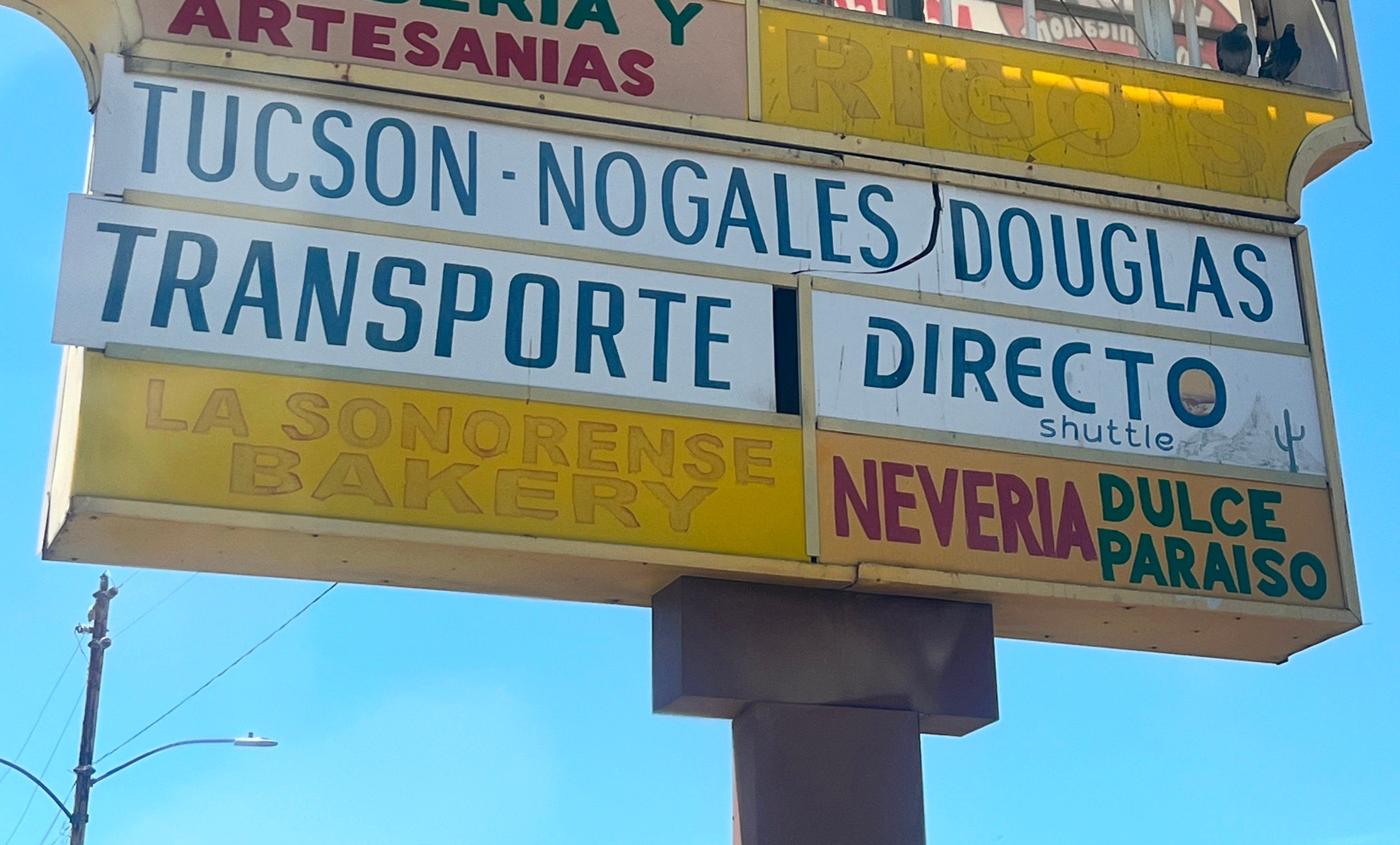
Poetic Inquiry allows a creative researcher to synthesize the multiple interpretations which occupy a shared lived experience. With this practice, I feel I can cry while I ask a question. I can laugh mid-interview. I hear my voice, as I play back the recordings, overlap with the stories I am excavating from the dirt of casual devastation.
This practice is revelatory and concerned with the essence of a life. And ours are tightly woven together.
If you’ve been reading me these past few years, you might know I am interested in the ways people retrieve memory and how these images move alongside historical truth/ historical struggle as well as how these moments take up space, geographically speaking, alongside bordered places, for generations.
In the southwestern bordered lands, people have survived such varying forms of dispossession and displacement that belonging itself has been filed down into the depths of our hearts.
We do not depend on a house, on a piece of property, on a dinner table to gather our families together. After all, grandma is buried in Nogles, Tio Chichi is buried in Tucson. My brother visits his lover in Sacaton.
We let our hearts scatter like pollen across the brittlebush lining the highway. My mother keeps her plants in giant pots where the piocha stretches out her roots from the cracks in the plastic into its nearest soil.
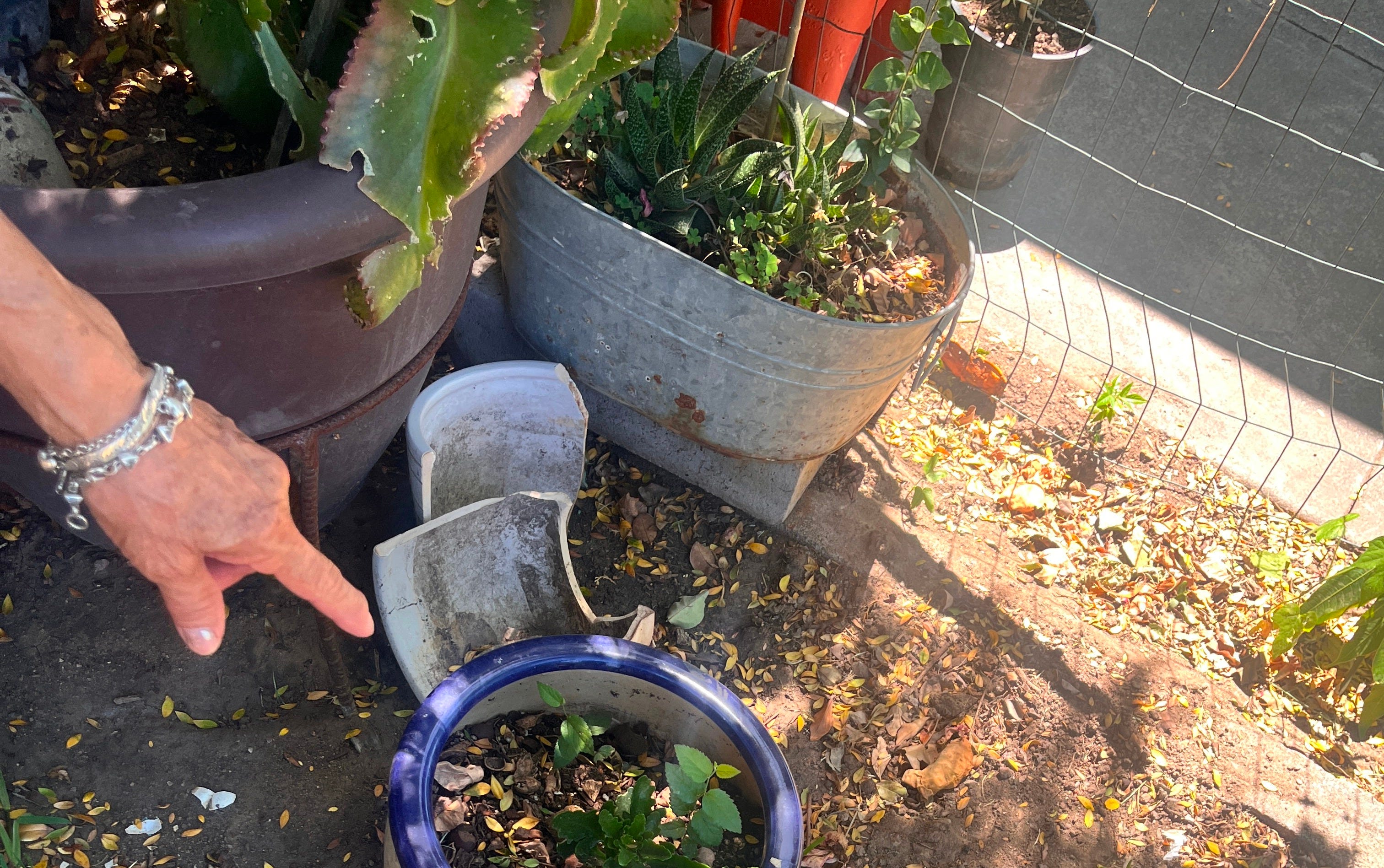
Our movement erodes the border’s logic and it also makes us angry. It makes us tired. This beautiful disgust and stubbornness toward the border agent and the white checkpoint is what joins us with the land and what makes it so we will survive the next iteration of law meant to keep us apart. Or, better yet, what helps us destroy it.
The interviews I’ve conducted so far have torn my heart open. I’m looking forward to sharing them. For now, a scattered poem made from the notes I took on this journey:
out of place
to not be home but to be
home in banishment
alone apart together
alien numbers and borrowed ssns
excavating choice with the shards of punishment
apartheid care and lapsed heartbeats
disorientated world
land is our shared stratum
our ambitions are in our dreams in the sky
sleeping passage my time travelling yearning
trees keep to the ground with thirst
mountains- far ghosts discolored by light
Semis, Shuttles, Trucks
none of us empty-handed
yellow line and white dashes punctuate our route
our same horizon